
 skim2
skim2Today, social media has evolved far beyond a one-way billboard for brand messaging; it has become a massive arena for real-time interaction with consumers. In the past, corporations focused on meticulously crafting their images and clinging to polished manuals. However, the current ecosystem—characterized by rapid trends—demands a proactive meme marketing strategy that can navigate the unpredictable nature of viral content. The more a brand strives for perfection, the more the public seeks out its flaws, often piercing through corporate facades with sharp satire and humorous memes.
When faced with cynicism or stinging criticism, what face should a brand put on? The traditional method of issuing defensive explanations is now considered obsolete. Instead, the most savvy brands today dive straight into the heart of the criticism. Rather than hiding their shortcomings, they embrace them with wit—a strategy known as “Strategic Honesty.” By examining three brands that transformed their flaws into unique charms, we can explore how modern marketing converts critical public sentiment into valuable assets.
Musinsa’s Meme Marketing Strategy: Reframing Negative Stigmas
The term “Musinsa Smell” originated in online communities as a derogatory label mocking the perceived uniformity of fashion styles. Faced with a situation that could have been fatal to its brand image, Musinsa chose a direct confrontation.
The Counter-intuitive Strategy: They physically produced a perfume called “Musinsa Smell,” turning the mocking metaphor into a tangible product for a pop-up store.
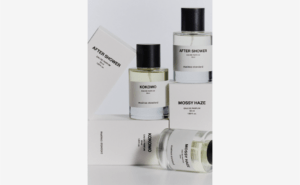
Positioning: By declaring, “We define this scent as passion and individuality,” Musinsa seized control of the narrative. This move not only silenced detractors but also fostered a powerful sense of solidarity with existing customers by reframing a negative keyword into a core brand identity.
Ryanair: The “Transparent Audacity” that Turns Rudeness into Charm
The European low-cost carrier Ryanair is famous for its provocative responses that seem to mock customer complaints. Why does such an seemingly “rude” attitude garner enthusiastic support?
The Counter-intuitive Strategy: In response to complaints about cramped seats or missing windows, Ryanair fires back with “Sassy” humor, essentially asking, “What did you expect for such a low price?”

Positioning: By leaning into the persona of being “unfriendly but the cheapest airline in the world,” Ryanair linked criticism directly to its core value: affordability. This approach accurately targets the Gen Z demographic, who prefer raw humor over corporate platitudes, turning accusations into viral, lighthearted episodes.
Duolingo: Viral Meme Strategy – From Spam to Fandom
Duolingo’s biggest drawback was its relentless, almost obsessive, push notifications. Users began to perceive these as spam and started depicting the mascot, ‘Duo,’ as a stalker-like figure.
The Counter-intuitive Strategy: Duolingo officially adopted this “obsessive” meme as part of the character’s personality. They uploaded “unhinged” videos to their official channels showing Duo “threatening” users or stalking them if they skipped their lessons.

Positioning: Consequently, they transformed an annoying functional flaw into a “thriller-like” game. Users no longer see the notifications as a nuisance but as an interaction with a sentient character. This is a prime example of converting a functional defect into a powerful brand fandom.
Crisis Management is Now about ‘Participation,’ Not ‘Defense’
The common thread among these three companies is the ‘Deconstruction of Authority.’ When a brand pretends to be perfect, the public reacts sharply to even the smallest cracks. However, the moment a brand humbles itself and says, “We get the joke too,” criticism turns into play. Ultimately, crisis management in the meme era is not about logical explanations; it is about how much a brand can close the “psychological distance” by speaking the same language as its consumers. The ability to sublimate flaws into wit—’Strategic Audacity’—is now the most potent asset a brand can possess. Ultimately, these cases prove that a well-executed meme marketing strategy can turn even the harshest criticism into a brand’s greatest asset.
https://www.instagram.com/reel/DW_hKU2Ejp0/?utm_source=ig_web_copy_link&igsh=MzRlODBiNWFlZA==
